Back to SearchVideoTai's Film Dojo
Tai's Film Dojo
Video

Tai's Film Dojo

@TaisFilmDojoTracked since May 2026

Observed Aug 18, 2026Public earnings

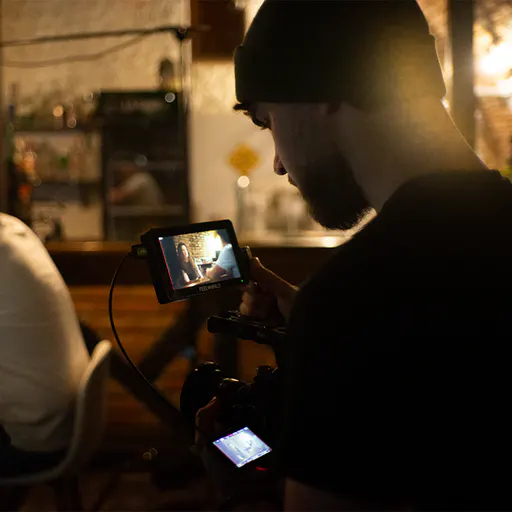
A structured curriculum on cinematic language for filmmakers..

How Patreon Signal reads this profile

Identity, tiers, posts, and visible counts come from the latest public Patreon observation. Growth compares available public snapshots. Revenue is labeled observed only when Patreon exposes it; otherwise it is modeled from public membership and tier signals.

Paid members
1
0% · 30-day rate from 12 observed days
Total audience
1
incl. free followers
Observed monthly earnings
$5
Starting price
$6/mo
2 membership tiers
Membership tiers

Where the 1 observed tier members sit

$6100%

Largest observed tier is $6 Founding Membership— the bar only uses public tier patron counts.

$0/moFree00% of observed tier members
$6/moFounding Membership1100% of observed tier members
Growth signals — Tai's Film Dojo
0%

1 paid members · 30-day rate from 12 observed days

Membership
121
May 202616 weeks trackedNow
Tai's Film Dojo1 members · $5/mo

The chart only uses Tai's Film Dojo's observed public history. Comparison peers are listed below, but comparable trend series are not available yet.

Creator comparisons

Where Tai's Film Dojo ranks

5 creators shown
#1of 7 measured
Paid members in Recommended cohort

Semantic matches are not ready, so this fixed cohort uses the best available category, audience, pricing, and cadence evidence.

Tai's Film Dojo's paid members rank in Recommended cohort
RankCreator and why includedPaid membersGap vs Tai's Film DojoFreshness
#1
RustyLasergamingVideoCategory, audience, pricing & cadence
1Same valueAug 18, 2026
#1
SUPERANTONIOVideoCategory, audience, pricing & cadence
1Same valueAug 18, 2026
#1
Tacomaster StudiosVideoCategory, audience, pricing & cadence
1Same valueAug 18, 2026
#1
Tai's Film DojoProfileVideoPaid members position in Recommended cohort
1ReferenceAug 18, 2026
#1
TomazOrniikVideoCategory, audience, pricing & cadence
1Same valueAug 18, 2026

The rank uses the full fixed cohort. This table shows up to five creators around Tai's Film Dojo; the coverage summary above still counts everyone.

What they publish

Recent posts

12Posts total1 postLast month41.7%Members-only

Previews available for 12 posts

Article Latest post$6 tier & upContent Roadmap

Latest post Content Roadmap Locked Content Roadmap May 15 1

May 15 0 likes 0 comments
Lesson 3: Medium Shots in ActionLocked Lesson 3: Medium Shots in Action May 10 1 Medium shots are the most common type of shot in film, but that doesn’t make them any less important. They play a vital role in sustaining the story by clearly capturing action, emotion, and dialogue. By framing a character’s face along with part of their body, they allow us to become familiar with how that character behaves and acts. At the same time, their compositions include enough of the background to add context and perspective to those actions. The strength of medium shots lies in their consistency to show us how characters experience their world by clearly capturing what characters are saying and feeling within a recognizable space.ArticleMay 10$6 tier & up 0 0
Medium Shotsare the most common type of shot in film, but that doesn’t make them any less important. They play a vital role in sustaining tArticleMay 10Public 0 0Lesson 2: The Power of Long ShotsLong shots are some of the most iconic images in cinema. They give us a sense of scale, environment, and context. By pulling back the cameraImageMarch 16Public 0 0
Lesson 2: The Most Iconic Shot in Cinema - The Long ShotLocked Lesson 2: The Most Iconic Shot in Cinema - The Long Shot March 16 1ArticleMarch 16$6 tier & up 0 0
Lesson 1: A Close Up on Close-UpsLocked Lesson 1: A Close Up on Close-Ups March 14 1 We’re starting with close-ups because they are one of the most powerful and misunderstood shot types in film. A close-up isn’t just about showing a face. It’s about directing attention, compressing emotional space, and controlling what the audience feels in a precise moment. In this lesson, I break down how close-ups function narratively, how they change the relationship between viewer and subject, and why their timing matters more than their frequency. The goal isn’t just to identify a shot, it’s to understand why it works.ArticleMarch 14$6 tier & up 0 0
Lesson 1: The Narrative Importance of Close-UpsWe’re starting with close-ups because they are one of the most powerful and misunderstood shot types in film. A close-up isn’t just about shImageFebruary 14Public 0 0Content RoadmapLatest post Content Roadmap Locked Content Roadmap May 15 1ArticleMay 15$6 tier & up 0 0Medium Shotsare the most common type of shot in film, but that doesn’t make them any less important. They play a vital role in sustaining the story by clearly capturing action, emotion, and dialogue. By framing a character’s face along with part of their body, they allow us to become familiar with how that character behaves and acts. At the same time, their compositions include enough of the background to add context and perspective to those actions. The strength of medium shots lies in their consistency to show us how characters experience their world by clearly capturing what characters are saying and feeling within a recognizable space. Medium Shots May 10 1ArticleMay 10Public 0 0Lesson 2: The Power of Long ShotsLong shots are some of the most iconic images in cinema. They give us a sense of scale, environment, and context. By pulling back the camera, filmmakers allow the audience to see the broader situation surrounding a character. They show us the body's action, the place, and the emotional tone of that place. Long shots also reveal visual power dynamics within a scene. Every character's position, size, and distance contributes to its meaning. There are four different ways power dynamics can be expressed visually. Members can watch my full video about long shots where I explore their compositions and these cinematic functions in more detail. Lesson 2: The Power of Long Shots March 16 1ArticleMarch 16Public 0 0Lesson 1: The Narrative Importance of Close-UpsWe’re starting with close-ups because they are one of the most powerful and misunderstood shot types in film. A close-up isn’t just about showing a face. It’s about directing attention, compressing emotional space, and controlling what the audience feels in a precise moment. In this lesson, I break down how close-ups function narratively, how they change the relationship between viewer and subject, and why their timing matters more than their frequency. The goal isn’t just to identify a shot, it’s to understand why it works. Lesson 1: The Narrative Importance of Close-Ups February 14ArticleFebruary 14Public 0 0Lesson 3: Medium Shots in ActionLatest post Preview 7:20 Lesson 3: Medium Shots in Action 2 days ago 1Audio2 days ago at May 13 crawlPublic 0 0
Continue your research

Keep Tai's Film Dojo in context.

Save the creator, add them to a comparison, or return to the exact Explore view you came from.